From white cube to world stage, how luxury spaces are transforming culture
Words Nargess Banks
These spaces invite audiences to experience culture in fresh, more inclusive ways – without sacrificing artistic integrity or a sense of luxury.
Art is being lifted from the confines of the traditional “white cube” gallery space to follow a more exploratory path. While some traditionalists argue that galleries such as Tate Modern risk turning visual culture into spectacle – edging towards amusement parks rather than serious cultural spaces – others welcome the shift towards democratising the art world. They champion environments that feel less intimidating, open and inviting, and ultimately more egalitarian. This alternative school contends that unorthodox venues and experimental curatorial approaches can liberate culture, allowing it to be discovered and interpreted in fresh ways. A touch of play might even prompt seasoned gallery-goers to see certain works through a new lens. But surely there’s space for both, as long as the art is not sacrificed for the entertainment.
A case in point is Hauser & Wirth Menorca. Opened in 2021, it occupies Illa del Rei, a tiny spot of land off Mahón harbour on the Balearic island. Once a base for an abandoned military hospital built in the 18th century by the British, and with remains of a Paleo-Christian basilica, the island now hosts a compelling arts venue.
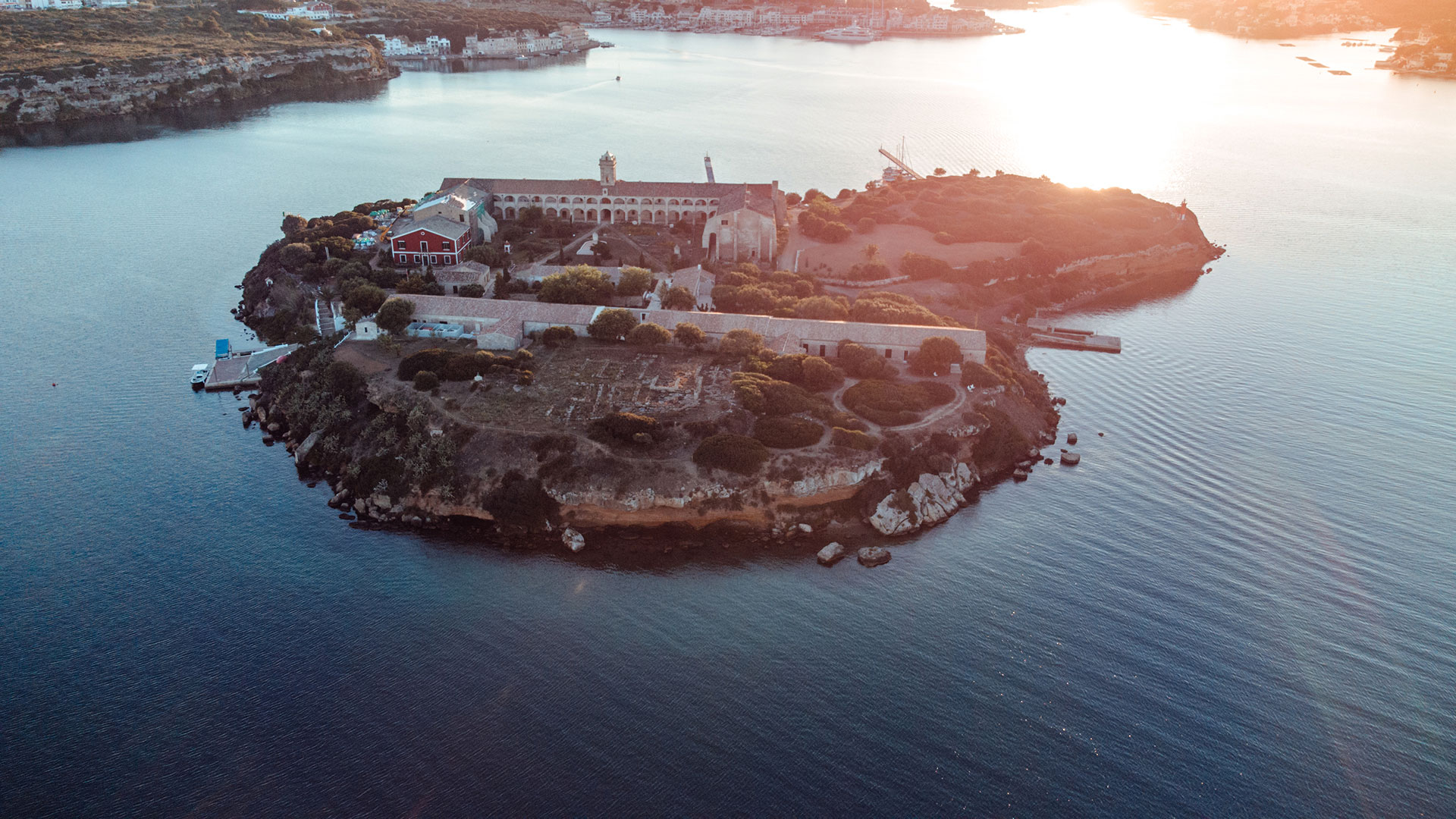
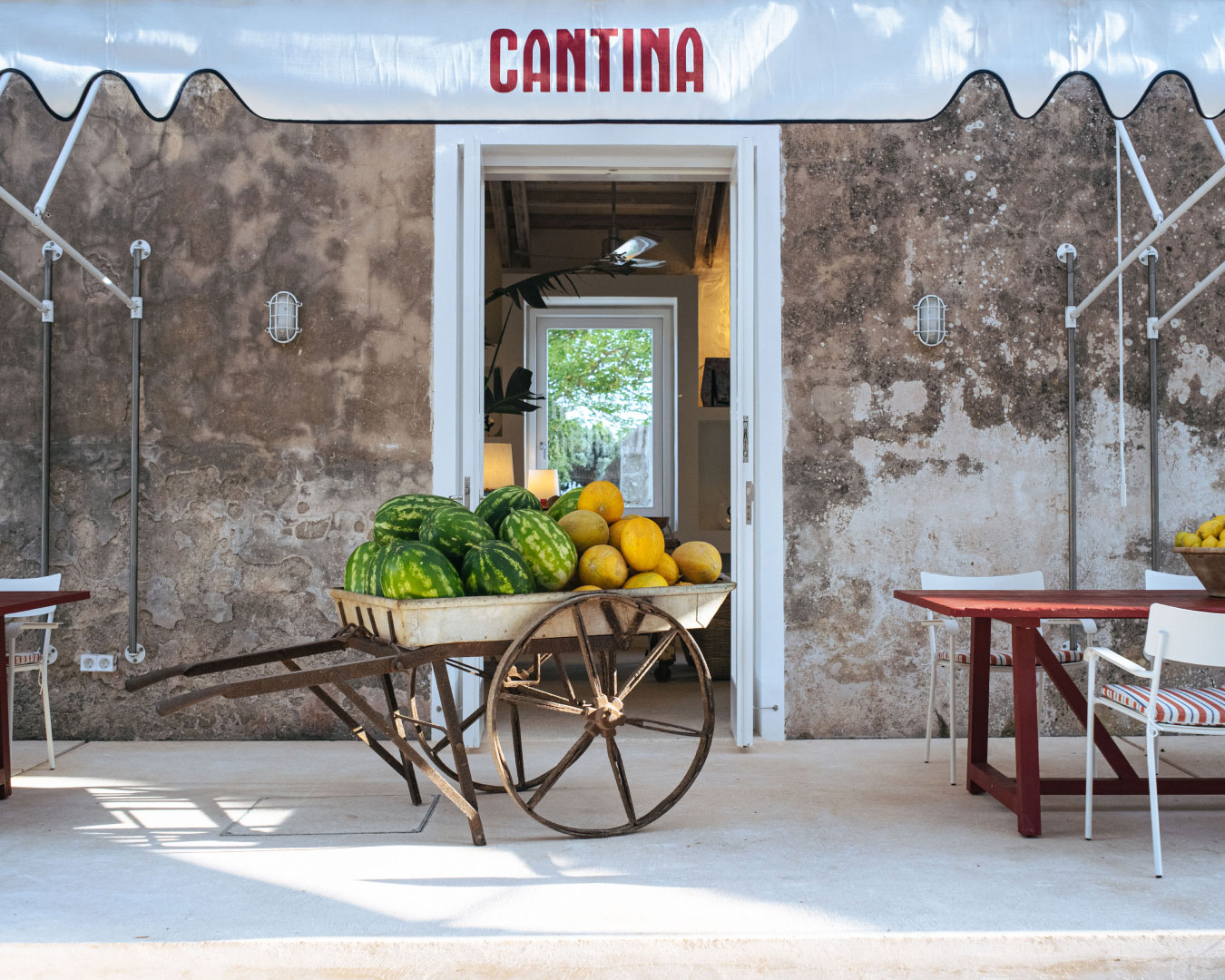
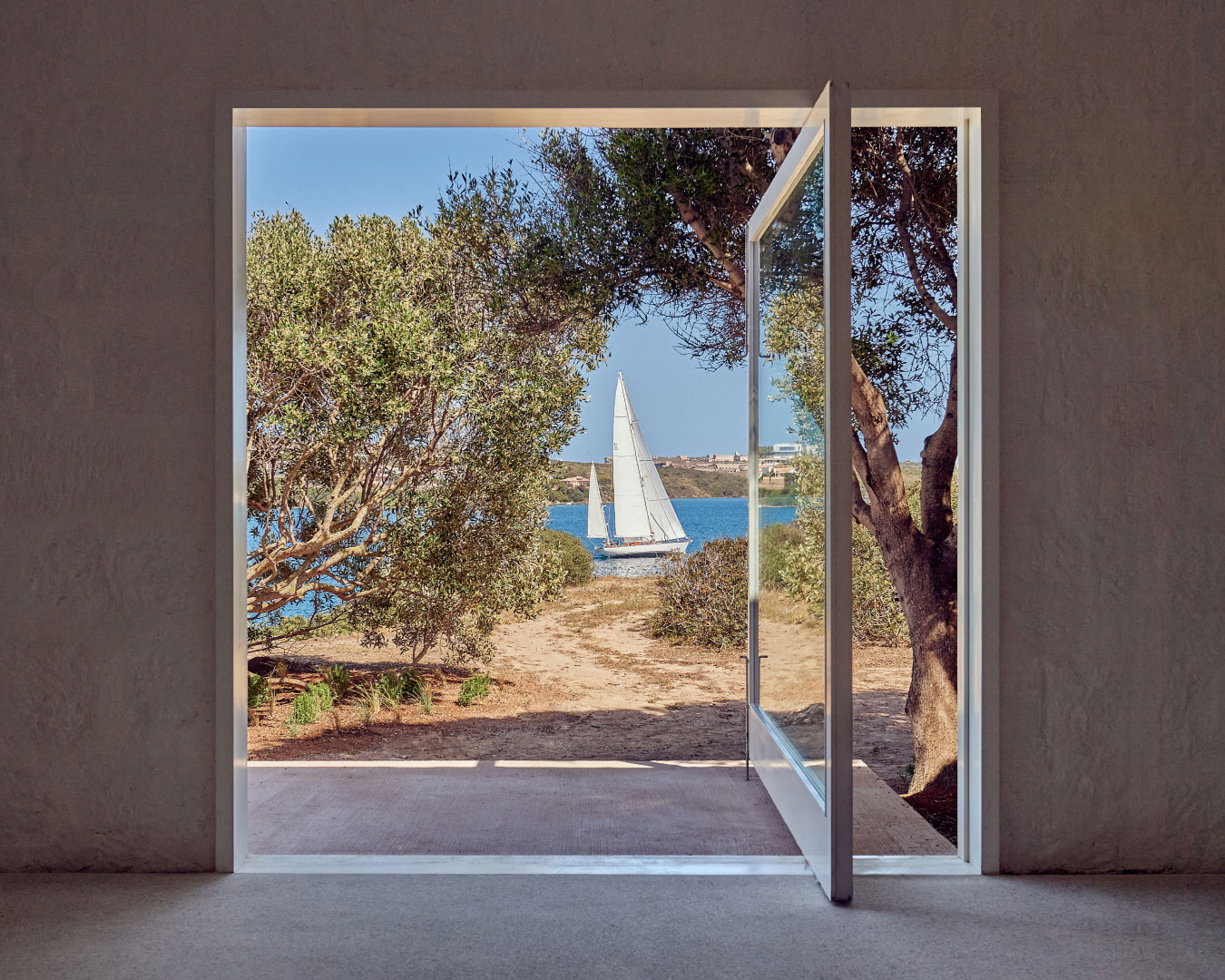
A hybrid, the space comprises two traditional galleries and a workshop and education facility. The sculpture park is landscaped by Piet Oudolf, the leading figure in the new perennial movement responsible for projects around the world including New York’s High Line. There is a cantina at Hauser & Wirth serving seasonal food and locally produced wines, and access to a small beach for cooling off in the summer heat. To get there, you take a dedicated yellow catamaran from Mahón harbour, and it is worth timing the return journey with the island’s spectacular sunsets.
Hauser & Wirth Menorca offers a highly visceral art experience, with great success and without sacrificing the quality of the work on display. Given the gallery’s impressive roster of artists, it attracts some of the biggest names in contemporary art, many of whom create work that responds directly to this unusual setting. This summer, for instance, photographer Cindy Sherman is showing alongside conceptual artist Mika Rottenberg. Sherman’s show is curated with an island theme in mind, while Rottenberg’s delivers a direct environmental message with a new series of sculptures made from recycled materials.
The Swiss gallery has another outpost in the rolling hills of Somerset in the UK. Designed in collaboration with the Argentinian Paris-based architect Luis Laplace, who also worked on the Menorca project, Hauser & Wirth Somerset is housed on the site of a former farm. The farmhouse serves as a gallery, gift shop and open-kitchen restaurant, while the outbuildings accommodate resident artists. The surrounding gardens are landscaped by Piet Oudolf, and a former Serpentine Pavilion by Chilean architect Smiljan Radić hosts events, supper clubs and in summer, open-air yoga.
In downtown Los Angeles, in a former mill, Hauser & Wirth’s LA gallery similarly sits at the intersection of art, architecture, education and hospitality.
There are countless other concepts exploring alternative ways to show art, from major global fairs such as the Venice Biennale, founded in 1895 and considered the first major international art fair, Documenta, Frieze and Art Basel to more niche initiatives like Terra and BAD+ Art Fair (Bordeaux + Art + Design) that successfully combine art with wine, heritage and entertainment for a more intimate experience of art and life. Technological advances have also meant digital showrooms and virtual auctions now allow the physical and digital experience to flow more seamlessly, while NFTs have expanded how we think about both art and ownership. These multi-platform models expose artists to wider audiences, offer powerful storytelling potential and make good commercial sense for both artist and gallerist.
All these spaces reflect a broader movement within the art world that is willing to look beyond convention. Or, to reference the sculptor Antony Gormley in an interview on BBC’s Desert Island Discs, the critical importance of liberating art from the straitjacket of the museum and gallery.
Curious minds
Exciting and unusual settings naturally inspire exhibiting artists. In 2022, New York-based artist Rashid Johnson created Sodade for Hauser & Wirth Menorca as a powerful response to island life, shaped by themes of movement and migration. Having visited the show, it is hard to imagine it making quite the same emotional impact in a conventional urban gallery.
Neil Wenman, Hauser & Wirth partner and global creative director, agrees that location can influence both artist and curator. “Another benefit is that visitors have mostly travelled here specifically, so they will spend more time and focus on the art,” he says. “It has helped us think about the gallery’s role in education and inclusivity. Last year we welcomed our millionth visitor to Somerset. It is a whole new audience.”
Inspiration need not be limited to the artist. What if a space and its conceptual offering could spark something in the architect, the interior designer or even the chef?
Ladbroke Hall opened its doors in 2023 with the ambition of becoming a creative hub for west London’s Notting Hill and Ladbroke Grove crowd. The flagship for Carpenters Workshop Gallery, this vast 43,000 square foot Grade II-listed building was once home to the Sunbeam Talbot Motor Company. Today it brings together art and design, food and wine, live music, dance and theatre under one roof.
It is a genuinely collaborative venture. The restaurant interior is by Italian artist and designer Vincenzo De Cotiis, the garden is landscaped by Chelsea Flower Show winner Luciano Giubbilei, and 2020 Gambero Rosso Chef of the Year Emanuele Pollini leads the kitchen, serving exceptional seasonal food. The light-filled galleries present work by designers from around the globe, many nurtured by Carpenters Workshop’s long-standing support.
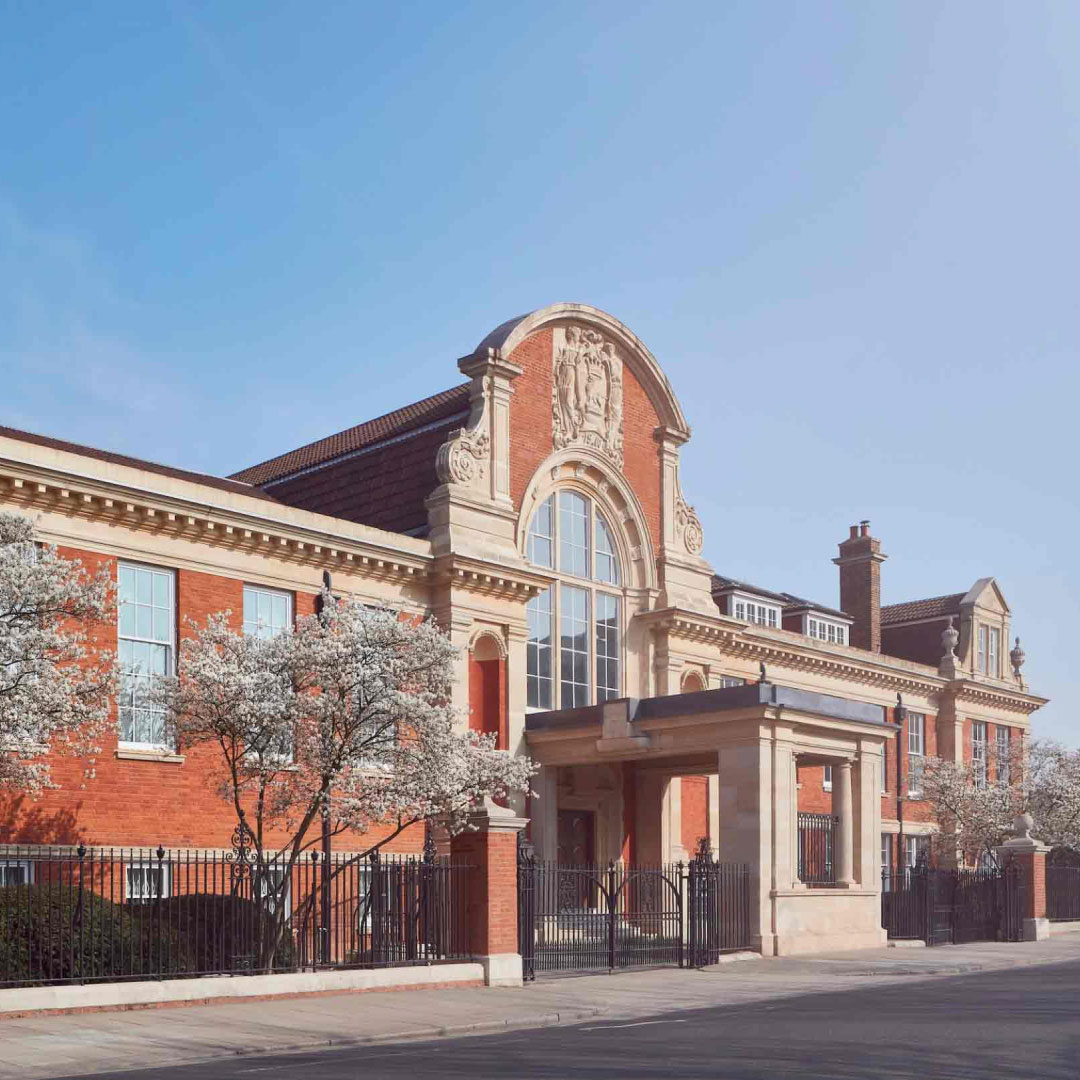
“There is an appetite to look for more exploratory spaces,” says Loïc Le Gaillard, who co-founded Carpenters Workshop with Julien Lombrail in 2006. Through their galleries in London, Paris, New York and Los Angeles, the duo has played a key role in elevating “collectible design” and blurring the line between art and function. With Ladbroke Hall, the ambition was to break new ground by offering a more fluid and multi-layered way of experiencing culture.
Le Gaillard explains: “We want to have a place where we welcome our artists and designers on a non-transactional basis. We want to engage with this beautiful community who have entrusted us for the past 20 years, over a glass of wine, some pasta, a little theatre, rather than in the usual commercial setting, which can be extremely boring.”
Notting Hill has a rich artistic and musical heritage and a strong sense of local pride. A community programme has therefore been central to the Ladbroke Hall vision, involving collaborations with local creatives, youth initiatives and education and mentoring opportunities across art, design, music and dining. From the start, Le Gaillard made it his mission to stay connected to its locality. “This is our own little utopian fantasy,” he says. Two years on, this elegant building has evolved into a vibrant space with its buzzing restaurant and bar and late-night jazz.
Treading a fine line
Not everyone in the art world is convinced. Some worry that the push for immersive experiences risks reducing art to entertainment and turning galleries into glorified theme parks. Yet shows like David Hockney: Bigger & Closer (not smaller & further away) – an immersive, projection-based experience held at Lightroom in London earlier this year – suggest that easily digestible, Instagrammable environments, while a magnet for the selfie crowd, can still be transformative. Hockney’s direct involvement in the making and curation was instrumental in shaping this as a completely fresh work of art, standing apart from touring spectacles such as Imagine Van Gogh: The Immersive Exhibition and its spin-offs, which have travelled internationally since 2008 but often lack the same depth. This underlines the importance of treating such shows as unique artworks that respond to our times, yet sit meaningfully alongside other forms of artistic expression.
Wenman agrees that the curatorial approach depends on the artist and exhibition. “Some are more academic and require much more curatorial expertise than others. But new approaches and new environments can create ways to engage with art that touch on core themes – whether sustainability or the human condition.”
Sometimes the journey itself is part of the experience. Henry Moore: Sharing Form at Hauser & Wirth Somerset, shown a few years ago, explored the artist’s profound connection with Stonehenge. Driving from London, we passed those otherworldly prehistoric monuments en route, a moment that heightened our encounter with Moore’s sculptures and added another layer of depth to the experience.
“There is room for play and we should be able to create space for this,” suggests Wenman. “You can communicate big ideas through play and irreverence. It is about experiencing art differently and allowing people to walk away with a new perspective.”
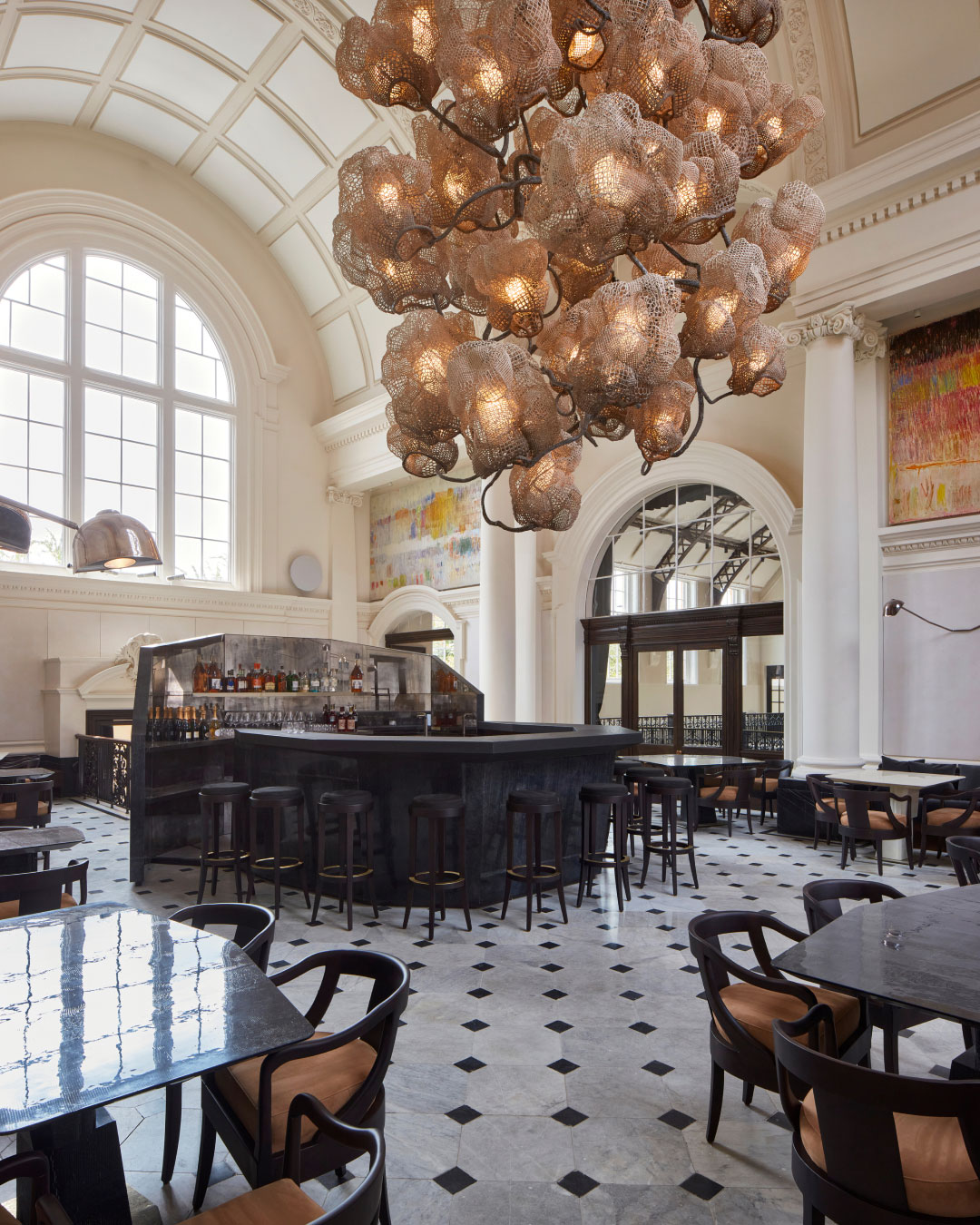
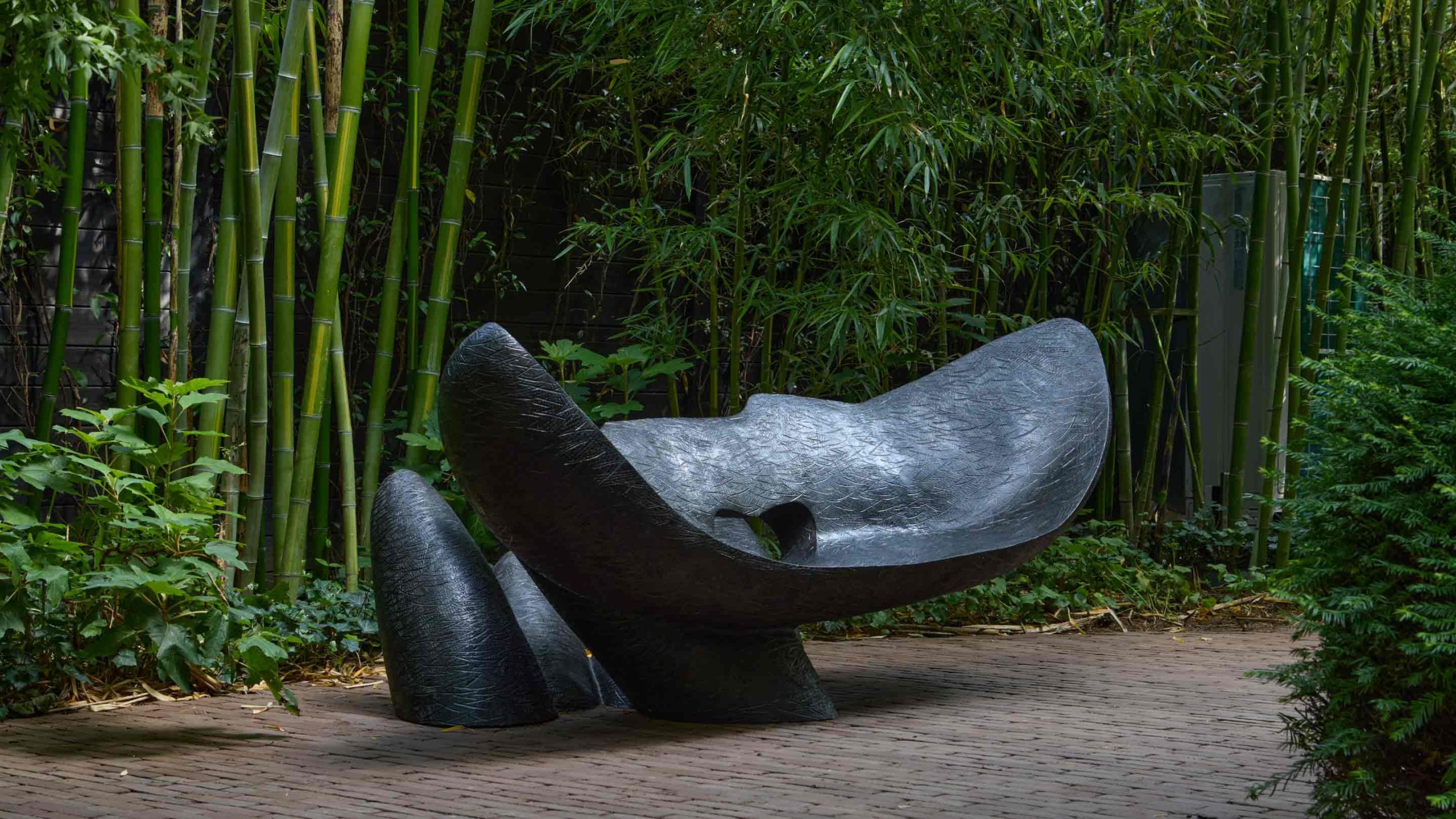
Photography copyright, Ladbroke Hall ©Mark Cocksedge; Hauser & Wirth Menorca ©Be Creative, Daniel Schäfer, Josep Gayón; Franz West Etude de Couleur (1991) at Hauser & Wirth Somerset ©Estate Franz West

Sign up to Challengers and receive access to exclusive content, insider insights and join our community of bold thinkers