Finding and Defining Brand DNA That Builds Lasting Value
Author: Leigh Banks
How the world’s most successful luxury and lifestyle brands uncover, articulate and embed their DNA – the origin, values, personality and codes that keep them distinctive and desirable over decades.
When Gucci was on the brink of irrelevance in the early 1990s, the brand had lost touch with what made it distinctive. Product lines had ballooned, licensing deals were everywhere, and its once-elite aura had been diluted. Then Tom Ford arrived as Creative Director in 1994.
His genius wasn’t just aesthetic, it was forensic. Ford and his team audited Gucci’s archives, traced its cultural touchpoints, and distilled the codes that defined the house: Italian sensuality, hedonism, confidence, and boldness. From the horsebit loafer to the bamboo handle bag, from the seductive colour palette to provocative campaigns, every decision flowed from a renewed understanding of Gucci’s Brand DNA.
Within five years, the company’s value had multiplied almost tenfold. Ford didn’t invent something new – they rediscovered and amplified what was already there. That’s the power of knowing your DNA.
“Defining Brand DNA isn’t about nostalgia, it’s about clarity. In luxury and lifestyle, DNA is the compass that ensures every new idea strengthens the brand instead of diluting it,” Leigh Banks, Spinach Branding branding director
What is Brand DNA?
Brand DNA is the immutable core of who you are as a brand, the combination of origin, values, personality, and distinctive codes that make you recognisable and resonant over time.
It is not a mission statement, a marketing campaign, or a trend-led positioning. Those can change. Your DNA should be so deeply rooted that it can flex into new markets or expressions without losing its identity.
Think of it as your brand’s genetic code: the blueprint that ensures consistency even as you evolve.
Why DNA Matters in Luxury & Lifestyle
In luxury and lifestyle sectors, Brand DNA is more than a strategic tool, it’s an asset. Customers in these markets aren’t just buying functionality; they’re buying meaning, heritage, and belonging. Without a clear DNA:
- You risk chasing trends rather than setting them
- Your communications lack coherence across touchpoints
- Competitors can more easily imitate your products and experiences
With a strong DNA, you can expand into new categories without losing authenticity, command premium pricing, and build loyalty that outlasts product cycles.
The Four Pillars of Brand DNA
From decades of luxury branding, four consistent components emerge:
- Origin Story: The people, place, and time that shaped your creation. Authentic stories have details only you can claim.
- Values: The principles that guide your behaviour and decisions.
- Personality: The human traits that shape how you express yourself.
- Codes & Assets: The visual, verbal, and sensory elements that make you distinctive.
Techniques for Extracting Brand DNA
Cultural & Historical Audit: Go back to your earliest records – product archives, advertising, packaging, events. Look for recurring motifs, materials, words, and rituals. These often hold the seeds of enduring codes.
Founder Interviews: Speak with founders, long-term employees, and craftspeople. Ask about decisions they fought for, compromises they refused to make, and moments that defined the brand’s reputation.
Customer Memory Mapping: Interview long-time customers. What was their first encounter with the brand? Which moments do they remember most vividly? Often, these align with your strongest distinctive assets.
Category Contrast: Analyse the codes of your competitors. Identify where you overlap and where you stand apart. DNA should include both the familiar category cues that signal relevance and the distinctive cues that set you apart.
Defining the DNA of a Luxury Sparkling Wine Brand
When a family-owned sparkling wine estate approached us, they were already producing exceptional vintages, winning awards, and receiving critical acclaim. Yet sales growth was slower than expected in premium channels, and international recognition lagged behind their quality. The challenge wasn’t the wine, it was the clarity of identity.
We began with on-site immersion. Days were spent walking the chalky vineyards at dawn, observing the harvest, and speaking with everyone from the head winemaker to the cellar team. We studied old photographs of the estate, weather-worn notebooks from previous generations, and hand-drawn maps of the land.
Patterns began to emerge. This wasn’t a story of imitation Champagne, it was about the “terroir of southern England”, the pioneering spirit of planting here before the category had credibility, and a quiet confidence that placed craft above spectacle.
The distilled DNA framework captured:
- Origin: Chalk soil and maritime climate, tied to the ancient history of the region
- Values: Patience, precision, and respect for nature’s rhythms
- Personality: Refined, assured, understated yet quietly proud
- Codes: Crisp mineral-driven flavour profile, a distinctive bottle shape inspired by English glassmaking, and a restrained colour palette drawn from the estate’s landscape
Once this DNA was codified, it informed every touchpoint, from labelling and packaging to the tasting room experience. International distributors could now present the wine not just as a product, but as the authentic expression of a place and philosophy.
The result wasn’t the invention of a new identity, but the articulation of one that had been there all along, making the brand more memorable, defensible, and desirable in a competitive category.
The Role of Place in DNA
Place can be an anchor, think Champagne, Savile Row, or Lake Como. Even if you expand globally, the association with an origin can act as a trust mark and a storytelling engine.
But it must be authentic. Simply naming a product after a glamorous location without a real connection risks backfiring in luxury markets.
Values as an Operating System
Values in DNA aren’t slogans, they are behavioural guidelines. For example:
- A luxury watchmaker valuing precision will refuse to release a product that can’t meet a certain level of chronometric accuracy.
- A high-end wellness retreat valuing privacy will design arrival processes that avoid public check-ins.
- A Champagne house refusing media and press coverage
These choices signal consistency and build credibility.
Personality as a Living Trait
Customers respond to brands with human qualities. Is your brand more like a reserved connoisseur or a charismatic host? Personality should be felt in copy, service style, event design, and even the pacing of your social media.
Codes and Assets: The Distinctive Layer
Codes make your brand instantly recognisable. In luxury, these might include:
- Colour palettes (Hermès orange)
- Materials (Bottega Veneta’s intrecciato leather)
- Symbols (Rolex crown)
- Signatures (Diptyque’s oval label)
These are memory structures; they must be used consistently to embed in customer recall.
The DNA Distillation Framework
- Gather – Collect heritage, market, and customer insight data.
- Filter – Identify patterns and recurring themes.
- Codify – Translate patterns into clear statements of Origin, Values, Personality, and Codes.
- Activate – Embed these in design briefs, service protocols, and brand guidelines.
Avoiding the Pitfalls
- Overcomplication – DNA should fit on a single page, not a 50-slide deck.
- Inauthentic borrowing – Adopting another brand’s codes without connection.
- Inconsistency – Dropping or changing codes too often undermines memory structures.
Closing Thoughts
Defining Brand DNA isn’t about nostalgia, it’s about clarity. In luxury and lifestyle sectors, where perception is as valuable as product, DNA is the compass that ensures every new idea strengthens the brand instead of diluting it.
Get it right, and you don’t just have a strategy; you have a living identity that grows stronger with time.
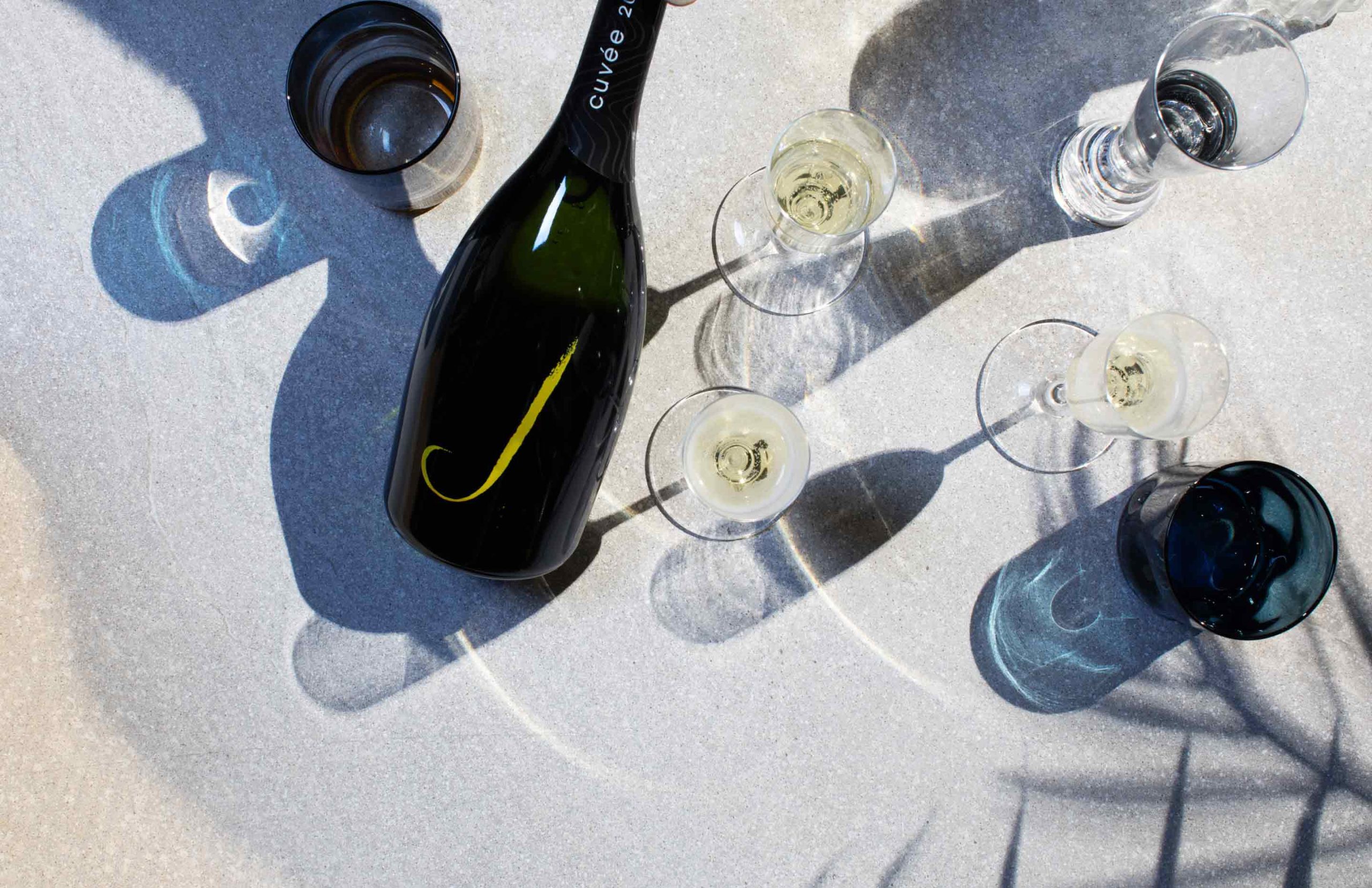
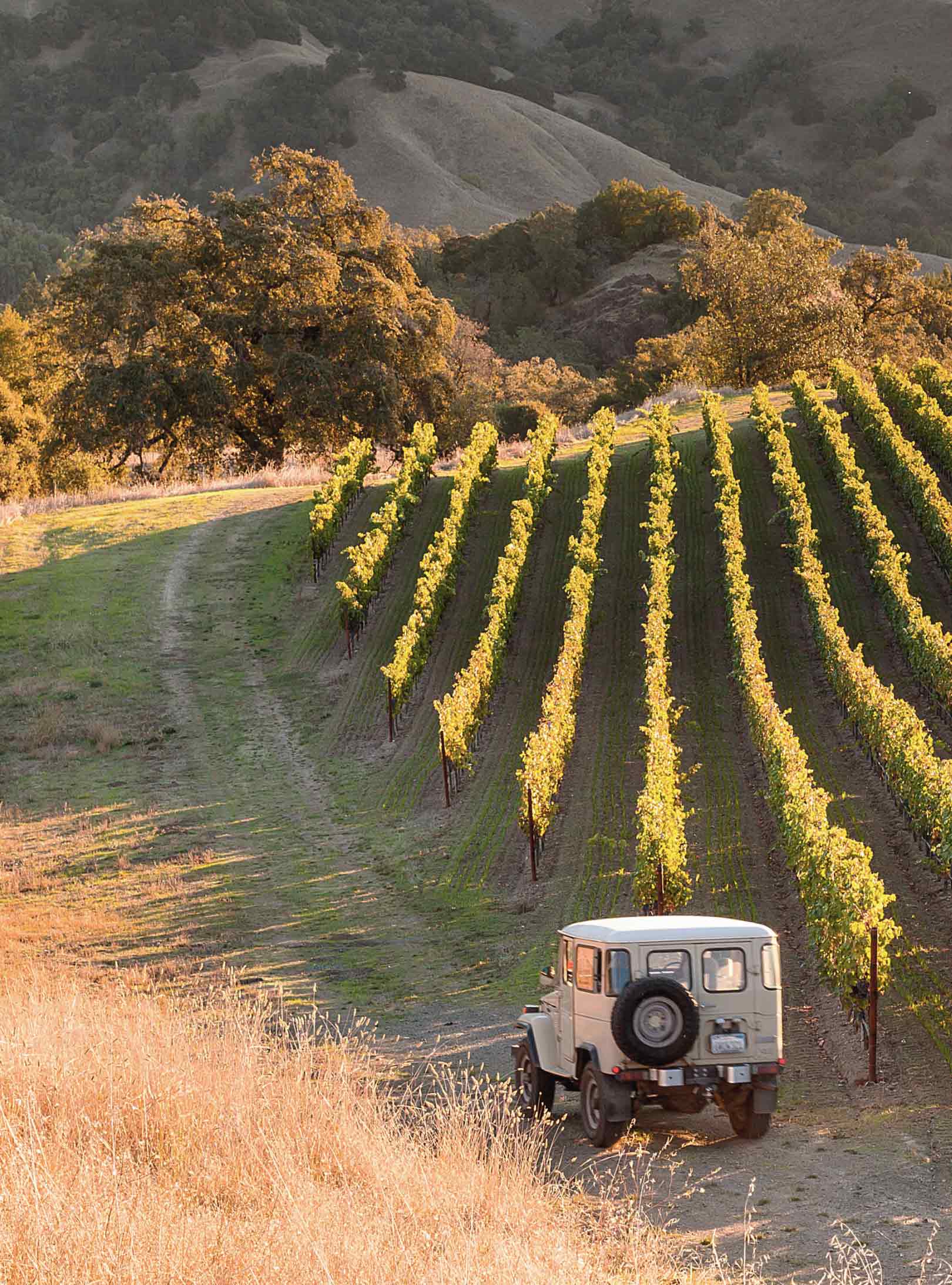
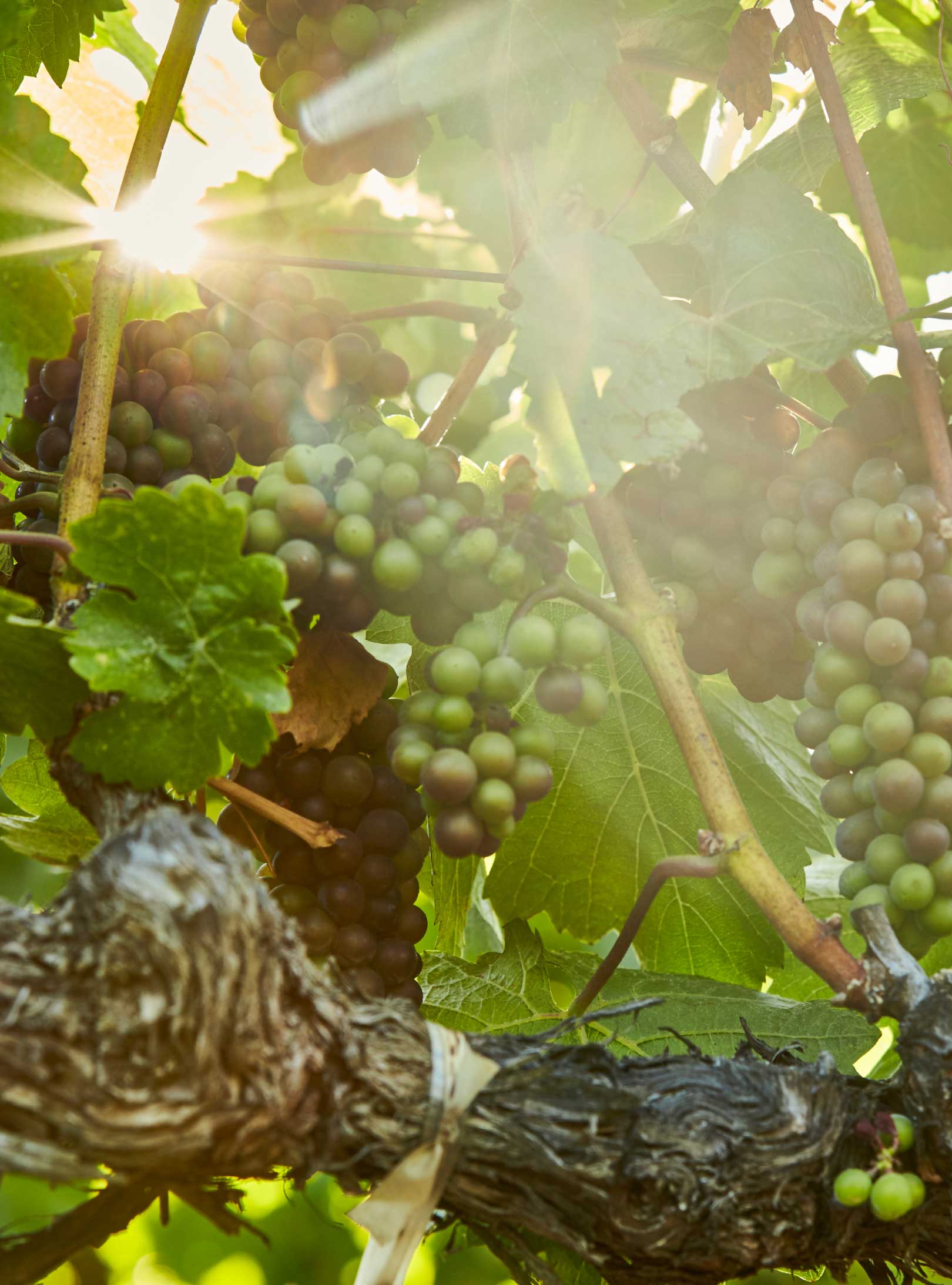
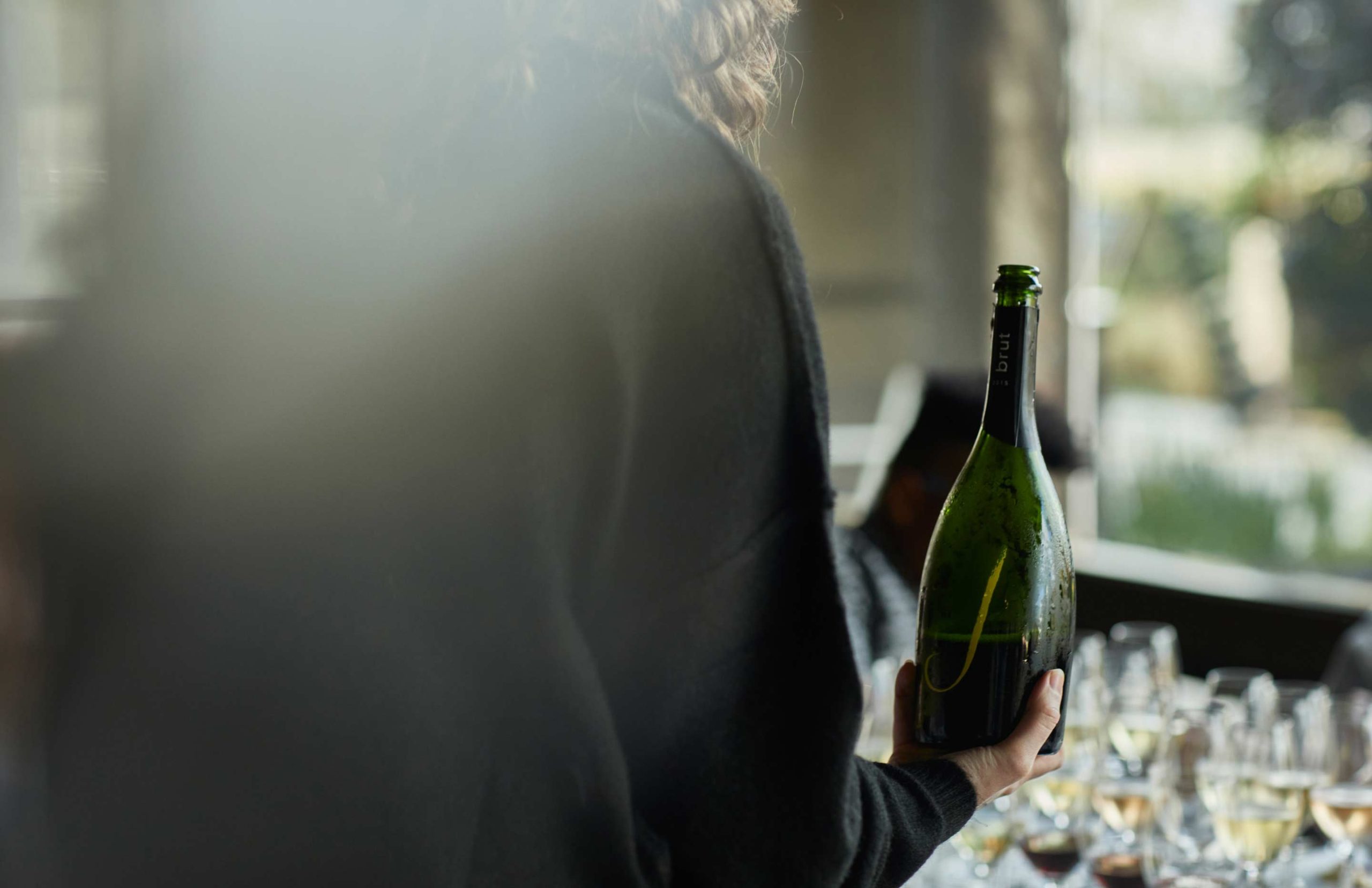
Pictures throughout: Spinach Branding worked extensively with J Vineyards & Winery, the Sonoma, California–based winery where cool-climate precision meets a dual mastery of still and sparkling wines.